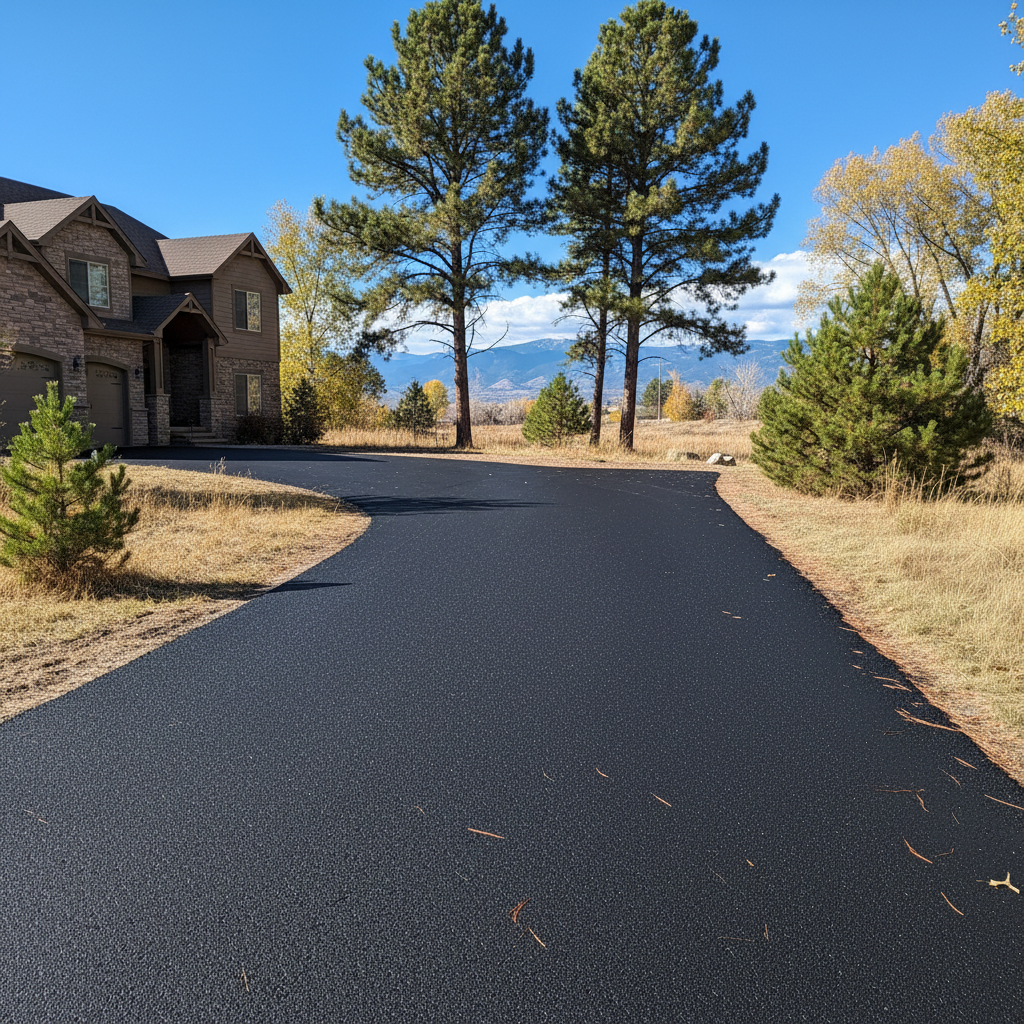
Alright, let's talk about slurry coating your driveway here in Fort Collins. It's one of the best things you can do to protect your asphalt, make it look sharp, and extend its life. But just like planting a garden or painting your house, timing is crucial. You can't just slap it down any old day and expect it to hold up to our crazy Colorado weather.
When's the Best Time to Slurry Coat in Fort Collins?
This is probably the most common question I get at Precision Asphalt Fort Collins, and for good reason. You're looking for a sweet spot, really. Generally, I tell folks to aim for late spring, early summer, or early fall. We're talking late April through June, and then again from late August through early October. Why those windows?
Consistent Warmth: Slurry needs warmth to cure properly. It's not just about the air temperature when we apply it, but also the ground temperature and the consistent temps afterward. Spring and fall give us those reliable stretches of 50-degree plus days and nights.
Lower Humidity: While a little moisture helps with the curing process, too much humidity can slow things down or even cause issues. Our drier Colorado air during these seasons is usually a big plus.
Less Extreme Heat: Mid-summer, when we're hitting 90s and 100s, can be tough. The slurry can dry too fast, leading to cracking or an uneven finish. It's like trying to paint a wall in direct, blazing sun – it just doesn't work right.
We've all seen those sudden spring snows or late fall freezes, especially in neighborhoods closer to the foothills like Horsetooth Reservoir area. That's why flexibility is key. We're always watching the forecast like hawks.
Weather Conditions That Make or Break a Slurry Job
So, you've picked a good season. Now, what about the day itself and the days immediately following? This is where the details really matter.
Temperature: We need ambient temperatures to be consistently above 50°F, and ideally, not dropping below 40°F at night for at least 24-48 hours after application. Colder temps mean the water in the slurry evaporates too slowly, preventing proper curing. If it freezes before it cures, you're going to have a mess.
No Rain, Please: This one's a no-brainer, right? Slurry is water-based. Rain within 24-48 hours of application will wash it away, dilute it, or cause it to cure improperly, leaving you with a weak, patchy finish. We always check the radar and local forecasts for at least a 48-hour clear window.
Wind: A gentle breeze is fine, even helpful for drying. But strong, gusty winds, especially the kind we get whipping down from the mountains, can be a problem. They can cause the slurry to dry too quickly and unevenly, or worse, blow debris onto the wet surface. It's not ideal for a smooth, clean finish.
Sun Exposure: Direct sun is generally good for curing, but extreme, intense sun on a very hot day can cause flash drying. This means the surface dries before the underlying layers, leading to surface cracking. We might adjust our start times on really hot days to avoid the peak sun.
Honestly, sometimes we have to reschedule. It's frustrating for everyone, but it's always better to wait for the right conditions than to do a rush job that won't last. You're investing in your property; you want it done right.
Protecting Your Slurry Coating Year-Round
Once your slurry coat is down and cured, your job isn't entirely over. You've made a great investment, now protect it!
Give it Time to Cure: This is critical. We'll tell you exactly how long to stay off it – usually 24-48 hours for foot traffic, and 48-72 hours (or sometimes longer in cooler temps) for vehicles. Driving on it too soon will leave tire marks and damage the fresh surface.
Keep it Clean: Sweep off dirt, leaves, and debris regularly. Don't let oil or gas spills sit. Clean them up quickly with an absorbent material and mild soap. These chemicals break down asphalt over time.
Watch for Weeds: Weeds pushing up through cracks can cause more damage. Pull them out as soon as you see them. Better yet, address any cracks before slurry coating to prevent them from becoming a problem.
Avoid Heavy Point Loads: Try not to park heavy vehicles or place sharp objects with small footprints (like trailer jacks) on your driveway for extended periods. This can create indentations or cracks, especially in newer asphalt or slurry.
Winter Care: Our Fort Collins winters are no joke. Avoid using metal shovels that can scrape the surface. Be careful with de-icers; some harsh chemicals can damage asphalt. Sand is generally a safer bet for traction. If you're using a snowblower, adjust the height so it doesn't scrape.
Taking these steps will help your slurry coat do its job for years to come. It’s all about being proactive. If you've got questions about your specific driveway or need an assessment, give us a call at Precision Asphalt Fort Collins. We're always happy to come take a look and give you an honest opinion.