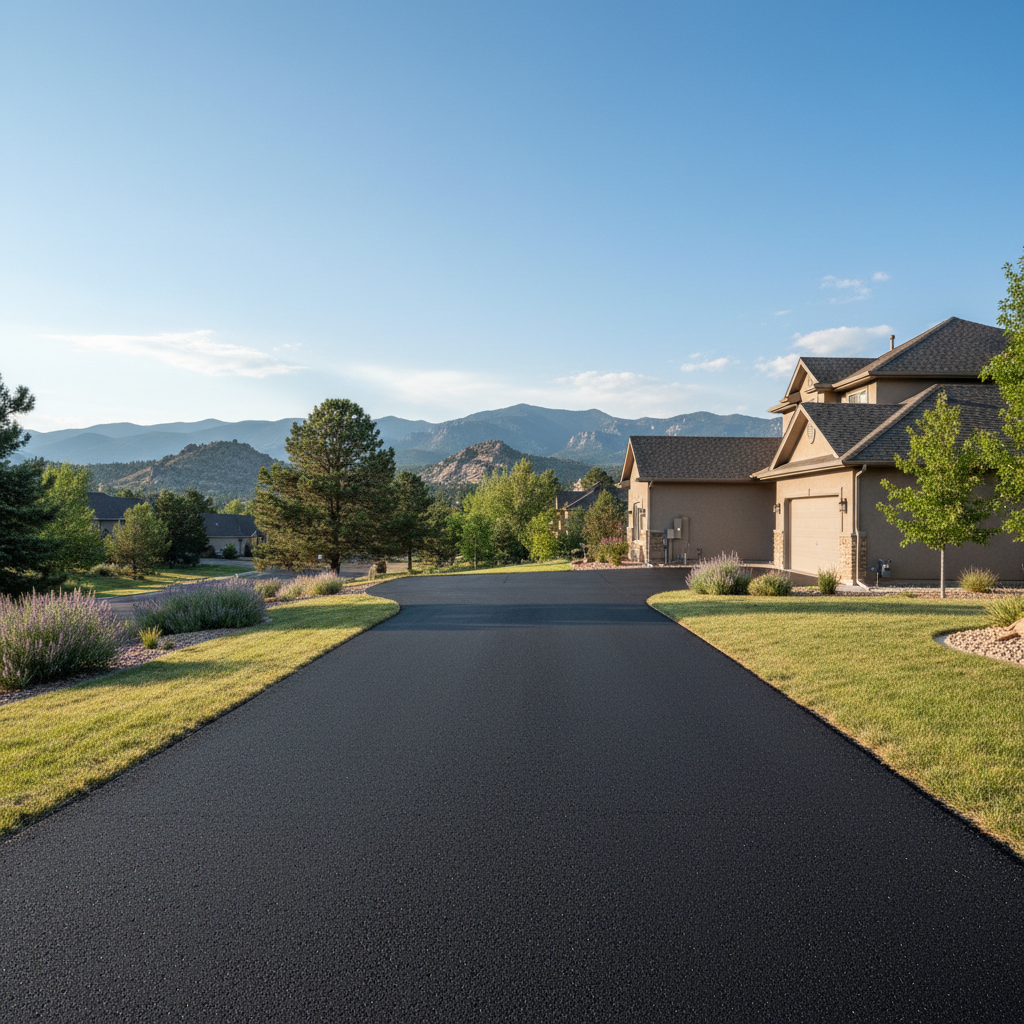
So, you just had a new asphalt driveway put in, or maybe you've had one for a while and you're wondering how to keep it looking good and performing well. It's not rocket science, but there are definitely some things you should be doing, especially with our crazy Colorado weather. You want to protect that investment, right? Let's talk about how to get the most out of your residential asphalt.
Extending Your Driveway's Life
The biggest thing you can do to extend the life of your asphalt is to protect it from the elements and heavy loads. Think of it like your skin – you wouldn't go out in the sun all day without sunscreen, right? Asphalt needs protection too.
- Sealcoating is Key: I'm not going to write a whole post about it, because I've done that before, but it's crucial. Sealcoating every 2-3 years, depending on traffic and sun exposure, protects the asphalt binder from UV rays, water penetration, and chemicals like oil and gas. It's your first line of defense against cracking and deterioration.
- Drainage Matters: Make sure water isn't pooling on your driveway. If you've got low spots where water sits after a rain or snowmelt, that's a problem. Water seeping into cracks and then freezing and expanding (hello, Fort Collins winters!) is a major cause of damage. Good drainage prevents this.
- Watch the Weight: Try not to park really heavy vehicles, like RVs or commercial trucks, on your residential driveway for extended periods. Asphalt is flexible, but constant heavy loads in the same spot can cause rutting or depressions over time.
- Clean Up Spills: Oil, gas, and other automotive fluids break down asphalt. If you spill something, clean it up quickly with an absorbent material. Don't let it sit and soak in.
What Regular Maintenance Looks Like
Beyond sealcoating, there's some basic stuff you should be doing to keep your driveway in shape.
- Keep it Clean: Sweep off dirt, leaves, and debris regularly. This prevents organic matter from breaking down on the surface and keeps your drainage clear.
- Edge Control: Keep vegetation, like grass and weeds, from growing into the edges of your driveway. Roots can cause cracks and push up the asphalt. A little weed killer or a weed whacker along the edges goes a long way.
- Crack Filling: This is a big one. As soon as you see a crack, fill it. Small cracks are easy and cheap to fix. If you let them go, water gets in, freezes, expands, and turns that small crack into a pothole. You can buy crack filler at most hardware stores for small jobs, but for anything significant, you'll want a pro.
Warning Signs of Problems
You don't need to be an asphalt expert to spot trouble. Just pay attention to your driveway. Here's what to look for:
- Hairline Cracks: These are usually the first sign of aging or stress. Get 'em filled.
- Alligator Cracking: This looks like a series of interconnected cracks, like an alligator's skin. It means the base layer is failing, and water is getting underneath. This is a serious sign that you're probably beyond simple crack filling and might need patching or even a full overlay.
- Potholes: These are obvious. They start as small depressions or cracks that weren't filled, and then traffic and water work together to create a hole. Potholes need immediate attention to prevent them from growing and causing vehicle damage.
- Fading and Discoloration: If your asphalt is looking gray instead of black, it means the binder is oxidizing from sun exposure. This is a sign that it's losing its flexibility and sealcoating is overdue.
- Pooling Water: Like I mentioned, if you see puddles that don't drain away quickly, you've got a drainage issue that needs to be addressed.
- Ruts or Depressions: If you see tire tracks permanently pressed into the asphalt, especially in areas where heavy vehicles park, it indicates a weak base or too much weight for the asphalt's design.
When to Call a Professional
Look, I'm a contractor at Precision Asphalt Fort Collins, so you know I'm going to tell you to call a pro sometimes. But seriously, there are times when DIY just won't cut it, or it'll end up costing you more in the long run.
- Extensive Cracking or Alligatoring: If your driveway looks like a spiderweb or an alligator, you're past a simple tube of crack filler. You need someone to assess the base and recommend proper patching, an overlay, or even a full replacement.
- Large Potholes: A small pothole you might tackle, but anything bigger than a dinner plate is best left to us. We have the right equipment and materials to ensure a lasting repair.
- Drainage Issues: If you've got standing water that won't go away, you might need grading work or a more complex solution than you can handle yourself.
- Rutting or Significant Depressions: These usually mean a problem with the sub-base, which requires specialized knowledge and equipment to fix correctly.
- You're Unsure: If you see something and you're just not sure what it is or how to fix it, give us a call. It's better to get a professional opinion early than to let a small problem turn into a huge, expensive headache. We're happy to take a look and give you an honest assessment.
Taking care of your driveway isn't glamorous, but it's essential for protecting your home's curb appeal and your wallet. A little proactive maintenance goes a long, long way, especially here in Fort Collins with our freeze-thaw cycles and intense sun. Keep an eye on things, and don't hesitate to reach out if you need a hand.